

By Courtney Riley, MD, FAAP
The statistics on child sexual abuse are both astounding and deeply concerning. Current estimates suggest that 1 in 4 girls and 1 in 20 boys experience sexual abuse. While these numbers are difficult to read, it’s important that we face these realities — not hide from them — so we can better educate and empower our children.
Children who understand that they are in control of their own bodies are less likely to experience abuse. Having age-appropriate conversations early — and continuing them often — helps build confidence and safety. Children are naturally curious and ask questions, which creates valuable opportunities to provide accurate information and guidance.
Below are practical steps (adapted from the American Academy of Pediatrics) you can begin using today:
1. Use the correct names for body parts
Using proper anatomical terms helps remove shame and secrecy. Code names or “cutesy” terms can unintentionally send the message that certain body parts are secret.
Help children understand:
- Private parts are covered by a bathing suit.
- Only a parent or caregiver helping with hygiene, or a doctor during an exam (with a trusted adult present and permission given), may look at or touch private parts.
2. It’s OK to say “no” — even to adults
Ninety percent of children who are sexually abused know their abuser. Teaching children that they can say “no” helps them set boundaries.
Practice alternatives to physical affection:
- High five
- Fist bump
- Handshake
Children should know they can choose how they greet and interact with others.
3. Teach children to ask permission before touching others
Consent goes both ways. Model and practice asking:
- “Is it OK if I hug you?”
- Wait for a clear, verbal “yes.”
This helps children understand respect and personal boundaries.
4. Talk about “OK” and “Not OK” touch
Help children tune into their feelings:
- OK touch makes them feel safe, cared for, or comfortable.
- Not OK touch makes them feel scared, confused, uncomfortable, or “yucky.”
Reassure them that if something feels wrong, they should tell a trusted adult.
5. Don’t keep secrets
Teach the difference between surprises and secrets:
- Surprises are happy things that will be shared later (like a birthday gift).
- Secrets are things that they are told not to tell and make them feel uncomfortable or scared.
Children should always tell a trusted adult if someone asks them to keep a secret — even if they’re told not to, or threatened that something bad will happen.
6. If something happens, it’s not their fault
If a child shares a concern:
- Believe them.
- Stay calm and listen openly.
- Avoid asking leading questions.
- Reassure them they have done nothing wrong.
- Seek professional help as needed.
Children may test the waters first — sharing only part of the story or saying it happened to “someone else” to gauge your reaction. Your calm response matters.
7. Identify five trusted adults
Help your child name five adults they can talk to if something makes them uncomfortable.
- Use their five fingers as a visual reminder.
- At least three should not be family members (e.g., teacher, doctor, coach).
- If one adult doesn’t believe them, they should keep telling others until someone listens.
Gifford Is Here to Help
If you have concerns, Gifford is a resource. Your child’s pediatrician can help reinforce some of these important points during regular visits. In addition, we currently have two specially trained Sexual Assault Nurse Examiners (SANEs) who respond to concerns about child sexual abuse.
In addition to providing medical care for children with immediate concerns, our SANEs can:
- Answer questions about signs and symptoms of abuse
- Offer guidance to parents
- Help families connect with community resources
To access services:
- Call the pediatric office during regular business hours, or
- Go to the Emergency Department for immediate concerns.
The care team will contact the SANE on call.
Online Resources:
https://www.healthychildren.org/English/safety-prevention/at-home/Pages/Sexual-Abuse.aspx
https://www.stopitnow.org/help-guidance/prevention-tools
https://www.cdc.gov/child-abuse-neglect/about/about-child-sexual-abuse.html
Books for Kids: There are lots available, but ones we like…
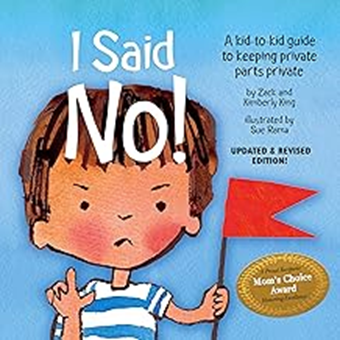
I said No!: A Kid-to-Kid Guide to Keeping Parts Private by Zach King
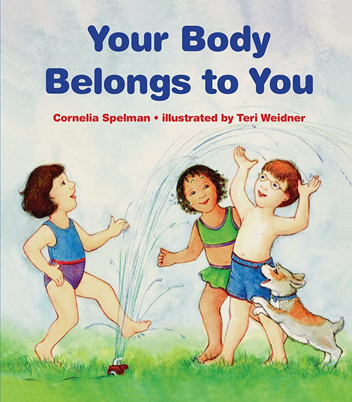
Your Body Belongs to You by Cornelia Spelman
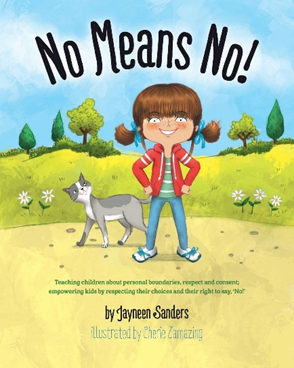
No Means No!: Teaching personal boundaries, consent; empowering children by respecting their choices and right to say ‘no!’ by Jayneen Sanders
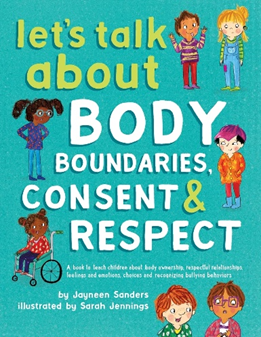
Let’s Talk About Body Boundaries, Consent and Respect: Teach children about body ownership, respect, feelings, choices and recognizing bullying behaviors by Jayneen Sanders
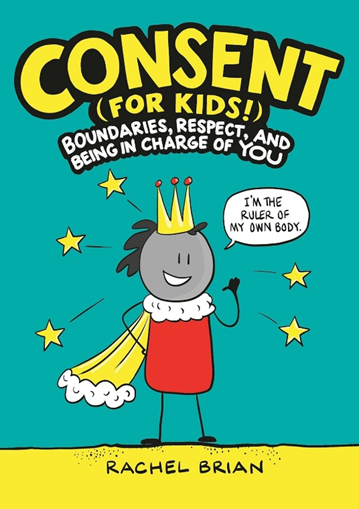
Consent (for Kids!): Boundaries, Respect, and Being in Charge of YOU by Rachel Brian
 Facebook
 Instagram
 YouTube
 LinkedIn